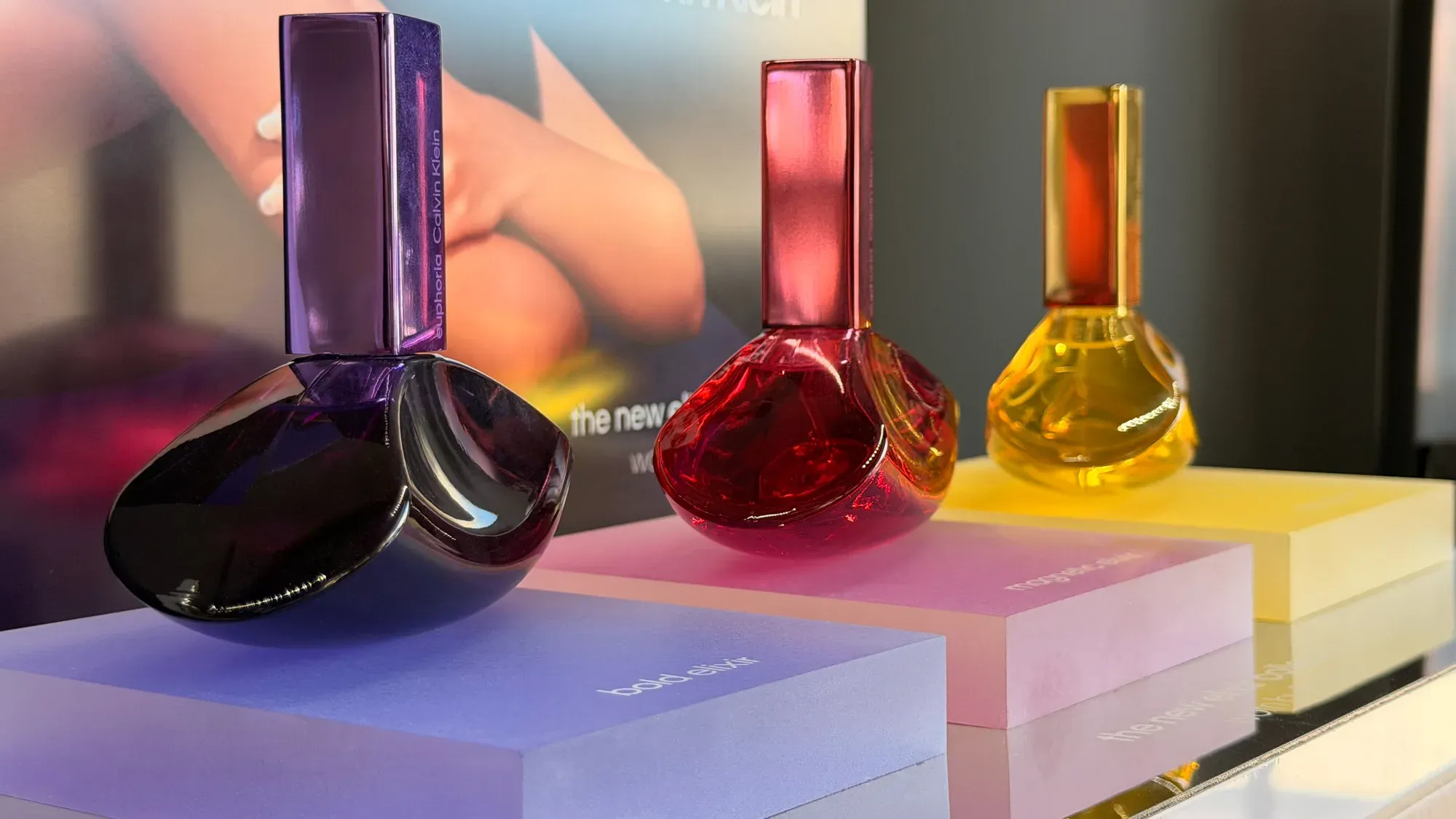
Pharmacies have become one of the most competitive retail spaces around: more brands, more dermocosmetics and supplement launches, and the same physical space as ever. In this context, a well-designed cardboard display makes the difference between going unnoticed on the shelf and leading the category.
At Euromon PLV we've spent 30 years designing and manufacturing displays for the pharmacy channel, for dermocosmetics and hair-care brands such as Furterer. This guide gathers what we've learned: which display types work in pharmacies, how to build the brief, and why cardboard has become the channel's go-to material.
Why cardboard works so well in pharmacies
The pharmacy channel has particularities that shape every display design: very limited space, the need to convey healthcare credibility and, at the same time, to drive cross-selling and the pharmacist's active recommendation.
A well-executed cardboard display delivers exactly what this channel needs:
- Immediate visibility along the shopper's path. It takes the brand off the shelf and places it in the pharmacy's hot zones: entrance, waiting area and counter.
- Total design flexibility. It adapts to promotions, launches, treatment routines or full product lines without changing the base structure.
- Fast implementation. A self-assembling display sets up in minutes, tool-free, without taking up the pharmacy team's time.
- Consistency with the brand message. Cardboard is recyclable and communicates a visible commitment to more responsible POS marketing, especially valued in dermocosmetics and natural products.
Types of cardboard display for pharmacies, by objective
There is no single cardboard display for pharmacies. The design changes radically depending on the campaign objective, the product type and the area of the pharmacy where it will stand.
Floor display for launches and strategic ranges
When the goal is to give maximum prominence to a launch or a full range, the floor display is the most effective solution:
- High load capacity without losing stability, even with heavy formats like shampoos or jar creams.
- A large graphic surface to work the brand at scale: header, side panels and campaign messaging.
- Placed in transit areas to intercept the shopper before they reach the counter.
Counter display for cross-selling at the till
In many pharmacies, the counter is the main decision point. A counter display introduces new references without visually saturating the space:
- Ideal for small formats: ampoules, serums, supplements or lip sticks.
- Makes the pharmacist's recommendation easier by keeping the product within arm's reach.
- Easy to refresh for tactical or seasonal campaigns (sun care in summer, hair care in autumn).
Shelf display to stand out inside the gondola
When the brand is already on the shelf, the challenge is standing out from the competition without altering the pharmacy's planogram:
- Lightweight structures that integrate into the existing shelf.
- Height, shape and colour contrasts that break the monotony of the aisle.
- Extras such as leaflet holders or a top crowner carrying the benefit message.
How to build the brief for a pharmacy display
A good display starts with a clear brief. These are the points we recommend closing before design work begins:
- Main objective of the project. Launch visibility? Boosting rotation of a mature range? Introducing a new category into the pharmacy?
- Product type and channel requirements. Dermocosmetics, hygiene, supplements, OTC… each typology carries its own messaging and communication restrictions.
- Number of references and units per display. Defining how many products go on each shelf lets us size the structure and its strength correctly.
- Planned location inside the pharmacy. Entrance, waiting area, counter or shelf: the spot determines the height, depth and format.
- Logistics and assembly. Shipped flat for assembly at the pharmacy, or delivered pre-assembled and pre-filled from the central warehouse?
With the brief closed, the process follows the usual phases of any POS project: 3D proposal, physical prototype, validation and series production. If you want to know how long each phase takes, we break it down in our guide to lead times for custom POS display manufacturing.
Advantages of cardboard over other solutions in pharmacies
For years the pharmacy channel was dominated by plastic displays and permanent fixtures. For campaigns and launches, cardboard now offers a combination that is hard to match.
Production speed and adaptability
Cardboard makes iteration fast: test a concept with a few units before scaling, adapt the same display to different chains or countries with graphics-only changes, and update regulated messaging quickly.
Real and perceived sustainability
More and more brands in the channel build sustainability targets into their POS materials. With cardboard you work with recyclable materials and water-based inks, cut transport volume thanks to flat-pack shipping, and keep the message consistent with natural products and dermocosmetics.
Cost optimisation on industrial runs
When a pharmacy network needs 200, 500 or more displays, industrial design makes the difference: stable structures with minimal material use, optimal use of the board sheet on the die-cut, and efficient assembly both at the plant and at the point of sale.
We apply the same approach in other demanding sectors; you can see an example in our post on cardboard displays for cosmetic products, a channel with image requirements very close to the pharmacy's.
How we run pharmacy projects at Euromon PLV
We support brands throughout the whole process, from the first brief to delivery across the pharmacy network:
- Brief and concept proposal. We analyse category, competition and objectives, define the most suitable display type and present 3D proposals to visualise it in its real environment.
- Prototype and validation. We manufacture the prototype in-house, validate load capacity, stability and ergonomics, and fine-tune structure and graphics before launching production.
- Industrial production and logistics. Manufacturing at our facilities in Molins de Rei (Barcelona), with full control over lead times and print quality, and delivery to pharmacy networks in Spain, France and the rest of Europe.
Frequently asked questions (FAQ)
How much weight can a cardboard pharmacy display hold? It depends on the design, but with the right reinforcements and internal structures a floor display safely holds full ranges of shampoos, creams or supplements for the whole campaign, even through several product refills.
Is cardboard compatible with the pharmacy channel's communication requirements? Yes. Every display is designed with the channel's claim and communication restrictions in mind, and the messaging is adapted to the product type (dermocosmetics, hygiene, supplements or OTC).
What is the recommended minimum quantity? We work best on industrial projects, from around 100-200 units, where we can optimise design, unit cost and distribution logistics across the pharmacy network.
Can the same display be adapted to different chains or countries? Yes. We design a common structure on which graphics, messages or languages vary, keeping the same structural base and the same die-cut.
How long does it take to manufacture a cardboard display for pharmacies? For a 200-500 unit run with a custom design, the total lead time is around 5-7 weeks from signed brief to delivery, assuming a single prototype iteration.
Got a project for the pharmacy channel?
Every pharmacy, brand and category faces different challenges. That's why we don't work from standard catalogues, but with displays designed specifically for each project. If you're considering a cardboard display for your pharmacy network, whether floor, counter or shelf, we can help you land the brief and turn it into an industrial project ready to roll out.
Post written by the Euromon PLV marketing and production team. For questions about a specific pharmacy-channel project, contact our sales department at euromonplv.com.