

How long must it last?
A campaign of weeks: cardboard. A permanent shelf presence of years: wood, MDF or metal. Acrylic lives happily in both worlds as a case or stand.
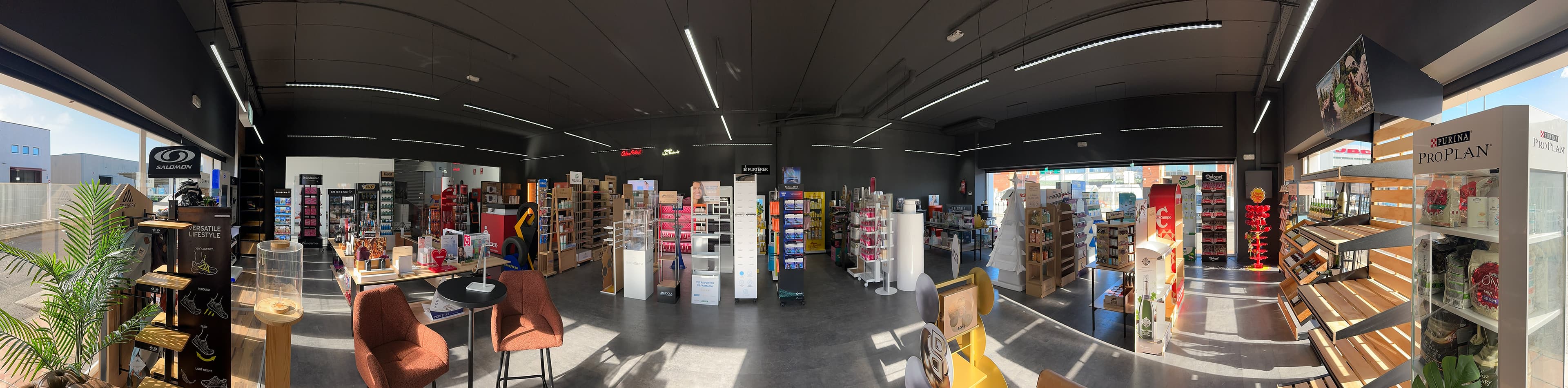
The material sets a display's unit cost, lifespan and logistics. This guide compares the POS display types we manufacture for brands and multi-store rollouts: wood, MDF, metal, plastic and acrylic, cardboard and our eco line. Designed and produced in Barcelona since 1996.
Each material answers a different brief. The cards sum up when each one works; every page goes deeper into formats, minimums and lead times.
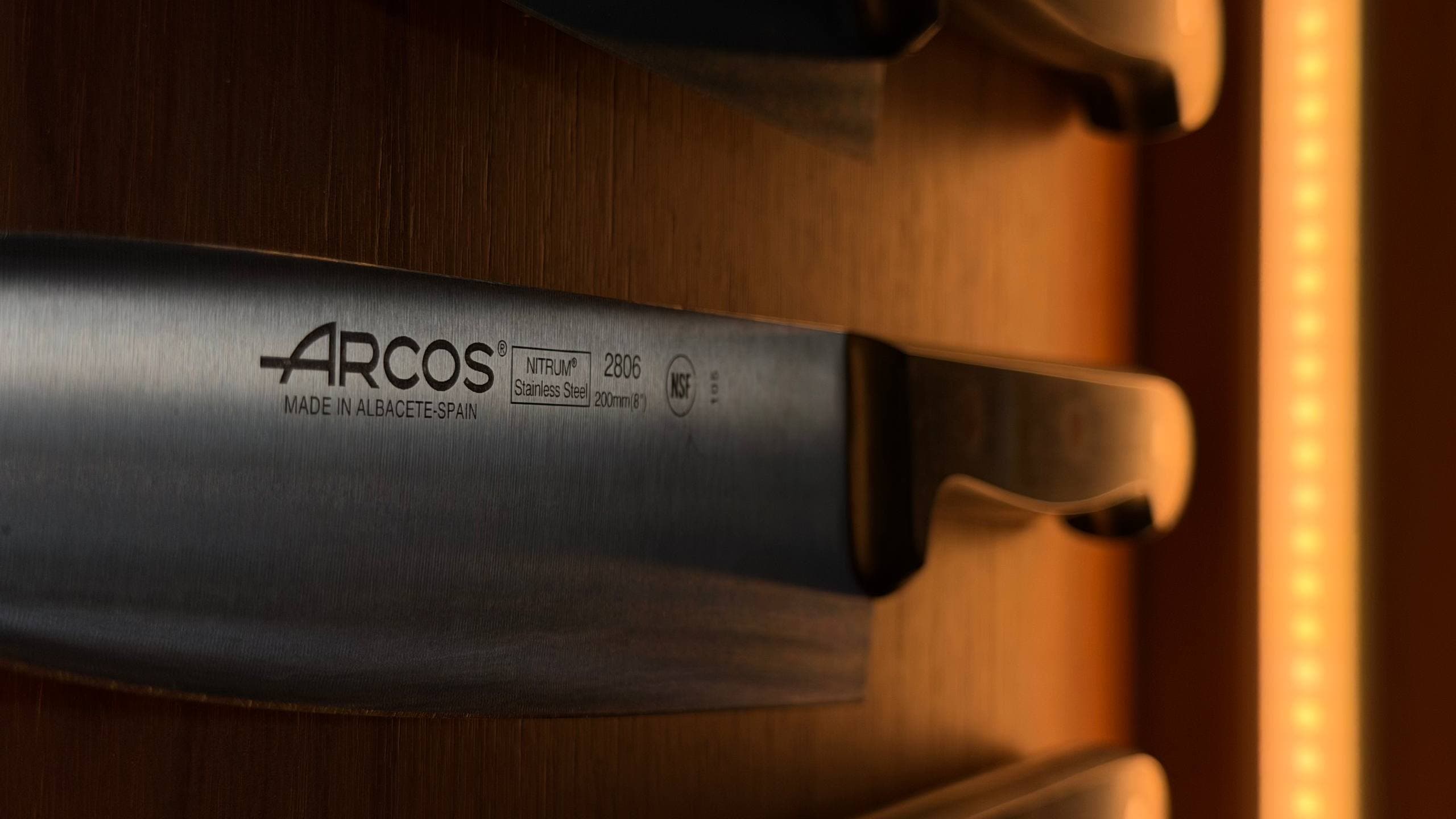
The premium brands' material: perfumery, cosmetics and pharmacy. Warm finishes, long life and Woodprint printing directly on the wood.
The technical board: stable, precise to machine and perfect for lacquer. The most efficient option for large runs with a premium finish.
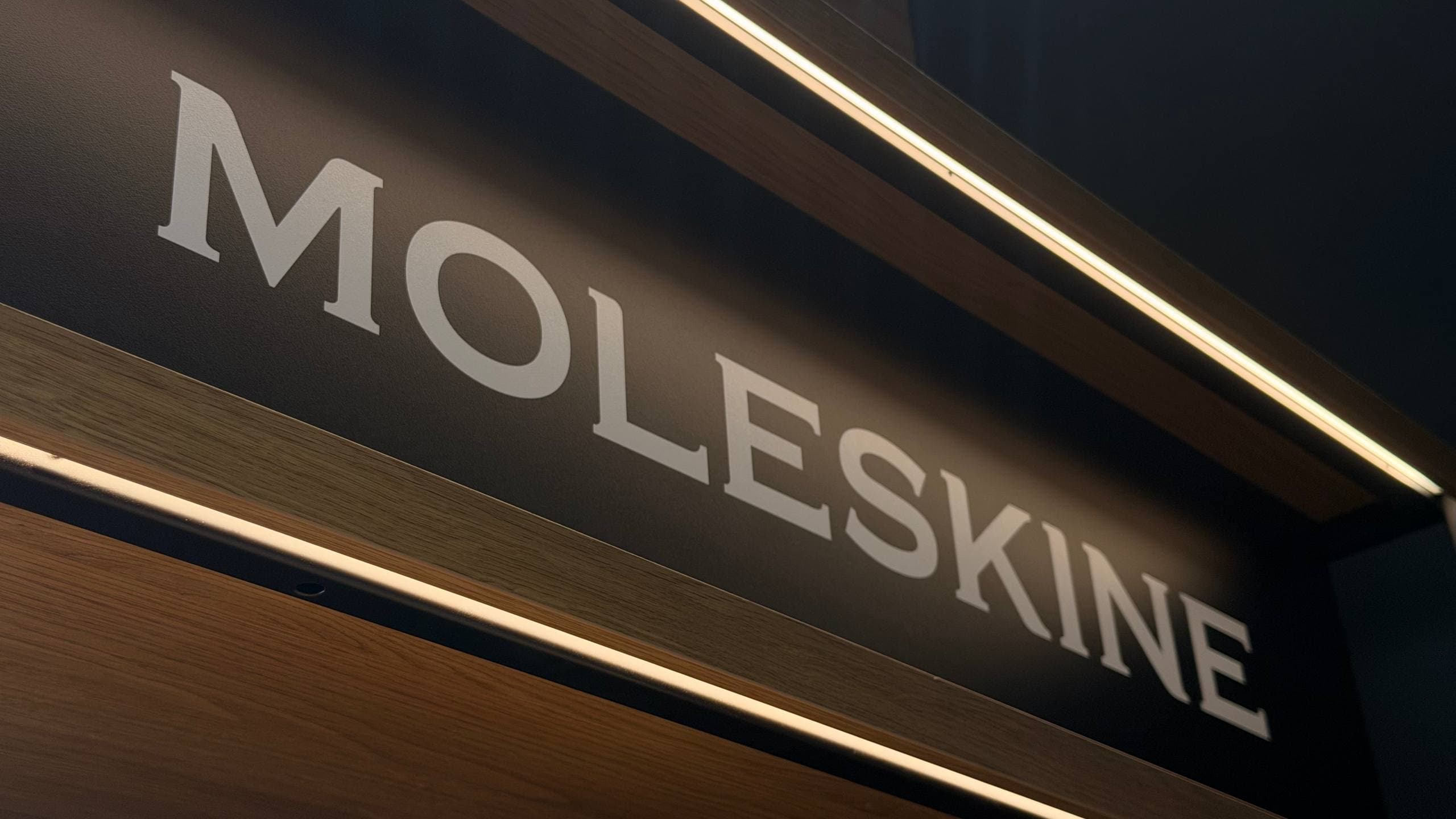
High-resistance structures for permanent POS and high-rotation retail. On their own or combined with wood and other materials.
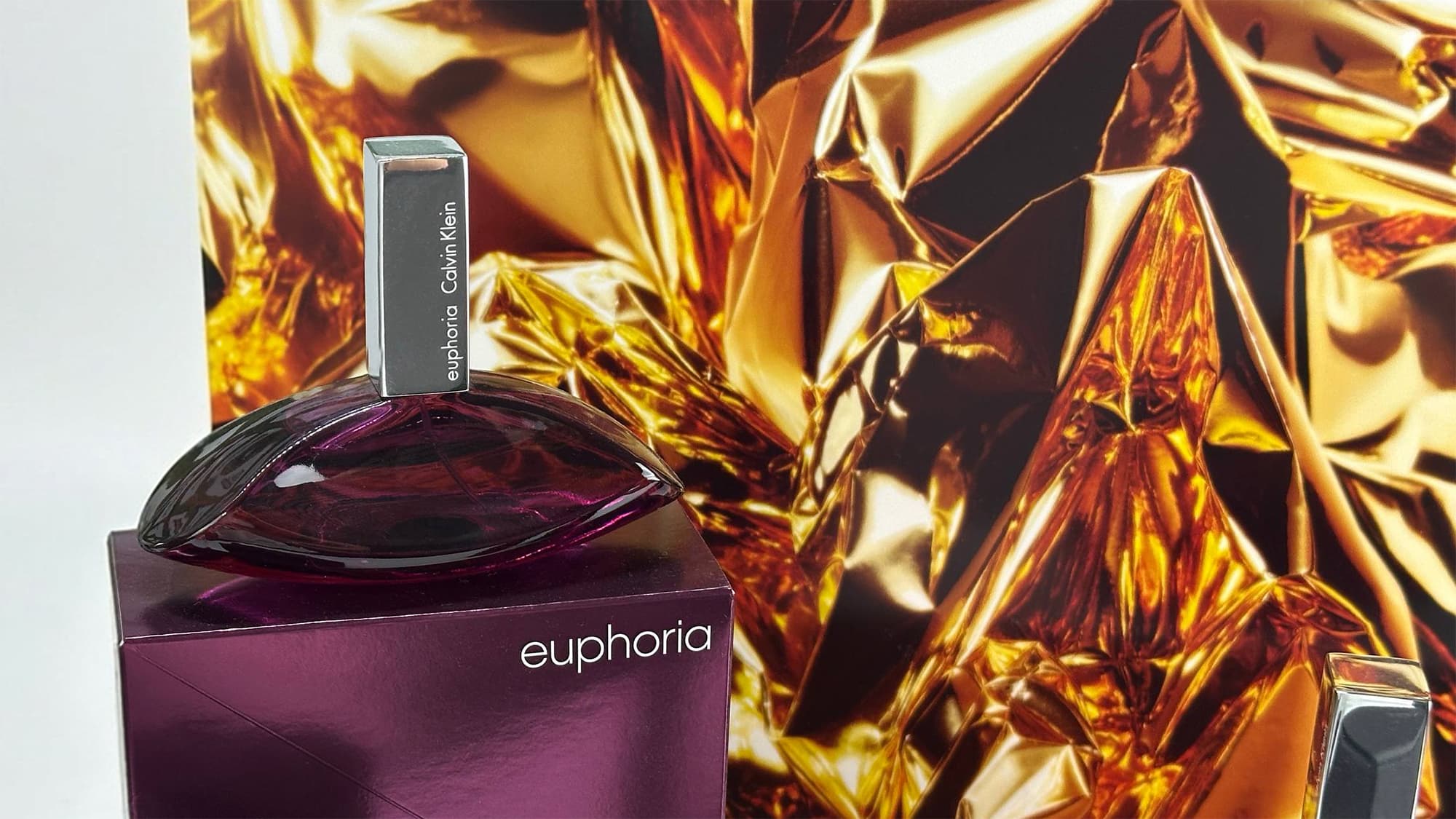
Display cases, glorifiers, shelf strips and technical units. Clarity and precision for cosmetics, electronics and the shelf.
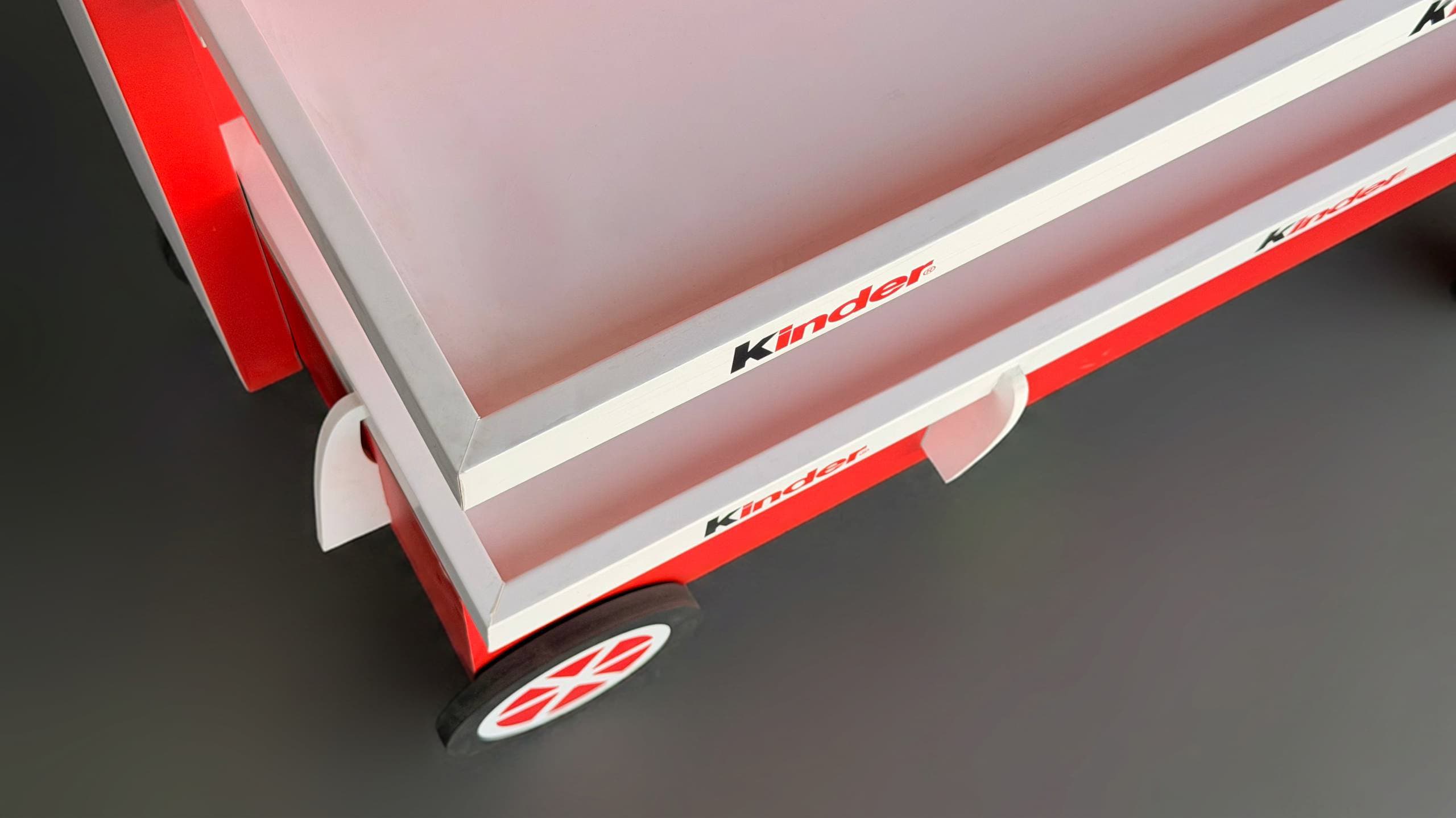
For temporary and promotional campaigns: light, printable across the whole surface, with flat-pack logistics. From 200 units.
The sustainable line: certified materials, water-based inks and in-store assembly in minutes. All our environmental practice, on one page.
Before asking for a quote, these four variables point to the answer. If the brief mixes several, combining materials is the norm.
A campaign of weeks: cardboard. A permanent shelf presence of years: wood, MDF or metal. Acrylic lives happily in both worlds as a case or stand.
The more units, the more the material weighs in the cost. Cardboard wins large temporary runs; MDF optimises large permanent ones; solid wood is reserved for shorter premium series.
In multi-store rollouts logistics rules: cardboard and flat-pack formats ship flat and assemble in minutes without tools.
Certified materials, HP Latex water-based inks and solar power in production. If the brand audit asks for proof, ours is documented.
Design, engineering and management in Molins de Rei, with a 100% Catalan supply chain. ISO 9001, ISO 14001 and EcoVadis Gold. We work with brand runs and multi-store rollouts, not single-unit orders.
Tell us the brand, sector, format and timeline. We propose material, format and budget within 48 hours.